Fitness & Wellness Insights | Personal Trainer Newport Beach, Corona del Mar, Costa Mesa & Irvine
Training insights, posture education, ELDOA breakdowns, and evidence-informed wellness for professionals across Newport Beach, Corona del Mar, Costa Mesa, and Irvine. Whether you are dealing with desk-related pain, looking to build sustainable strength, or simply want to understand what is actually happening in your body, every article here is written to give you something you can use. No generic fitness content. Just the methods, the science, and the practical application behind the work we do.

The Neuroscience of Personal Transformation: Brain, Perception, and Mental Resilience
Most people work on their body, their career, their relationships. Very few work on the system that governs all of it. Here is what neuroscience actually says about perception, identity, and mental resilience and why the most complete transformations are always both physical and mental simultaneously.

What to Look for in a Personal Trainer in Newport Beach
Newport Beach has no shortage of personal trainers. Finding one whose methods and expertise actually match what your body needs is a different question. Here is what to look for and what separates a genuinely effective training relationship from one that produces temporary results and long-term frustration.
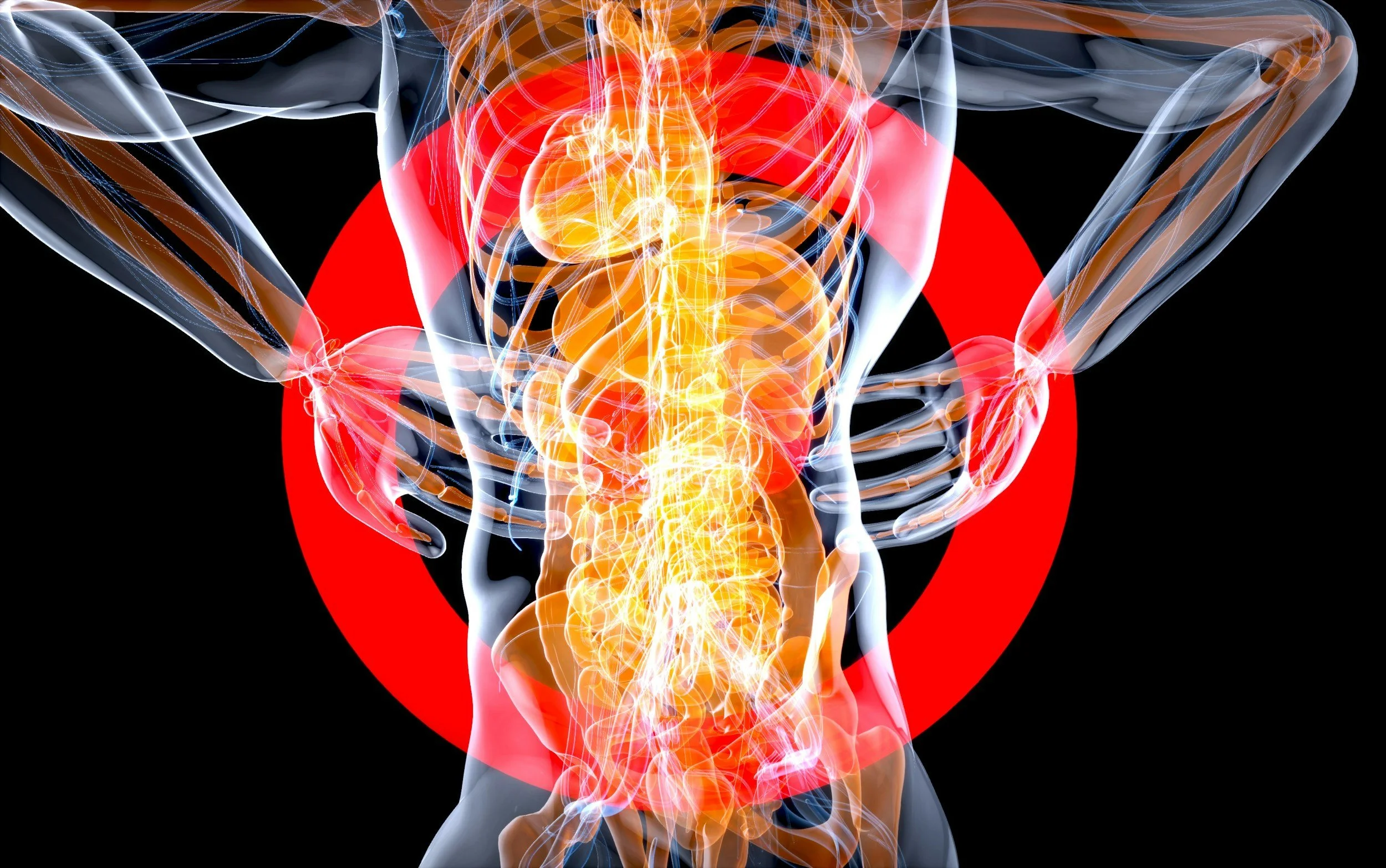
Why Your Sciatica Keeps Coming Back and What to Do About It
Sciatica that keeps returning is not bad luck. It is a sign that the underlying cause has never been fully addressed. Most treatment approaches manage the episode and leave the structural condition that produced it completely intact. Here is what is actually driving your sciatica and what changes when you treat the source rather than the symptom.
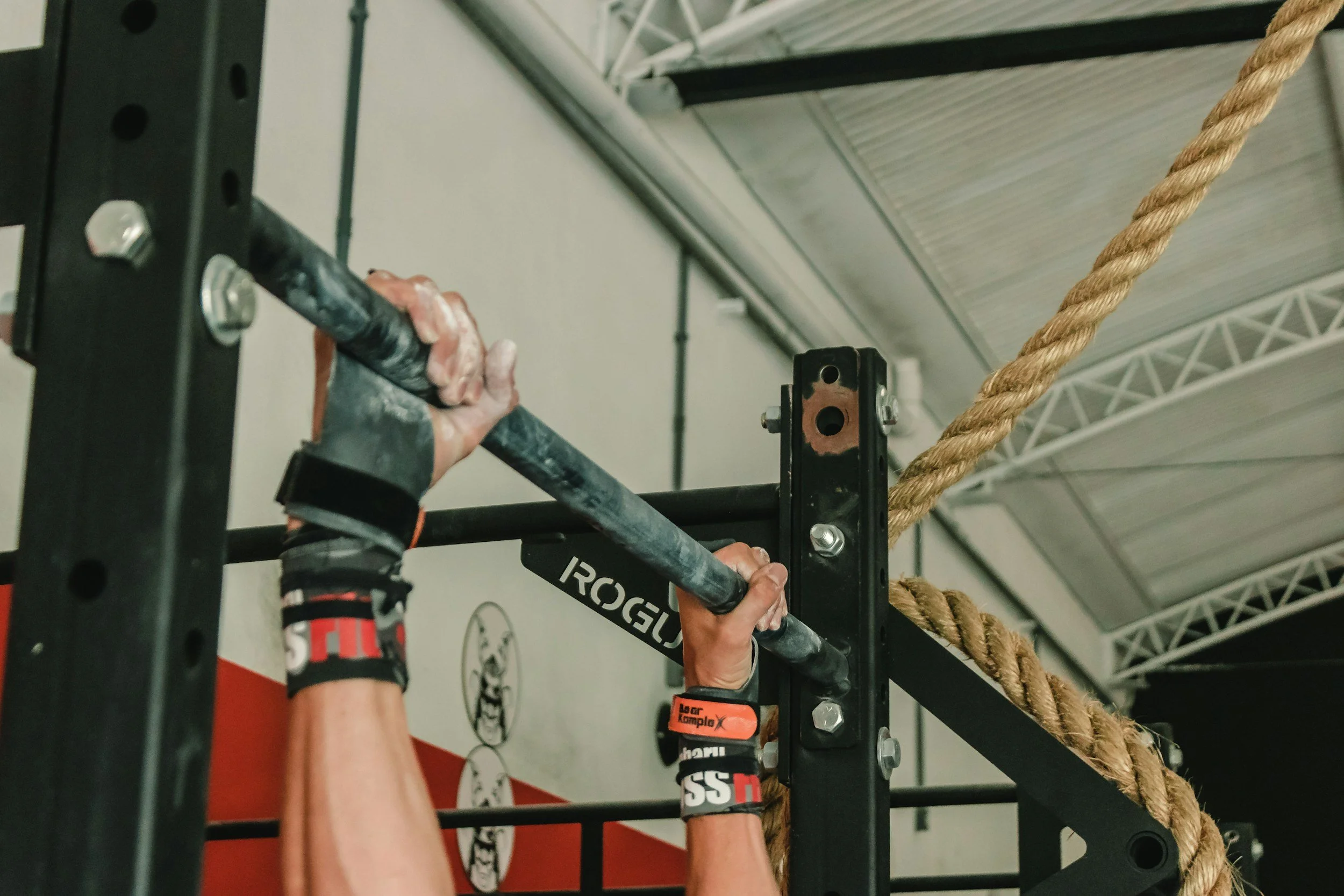
Why Grip Strength Is One of the Best Predictors of How Long You Will Live
A 2015 Lancet study following nearly 140,000 adults found that grip strength predicted cardiovascular mortality more accurately than systolic blood pressure. Here is what that means for how you train and how long you live.
Why Newport Beach Professionals Are Turning to ELDOA for Chronic Pain Relief
Most chronic pain management approaches address what the pain feels like. ELDOA addresses what is actually producing it. Here is why a growing number of Orange County professionals are discovering this method as the intervention that finally produces lasting results where everything else produced temporary ones.

SOMA Training Newport Beach: The Method Most Trainers Have Never Heard Of
Most trainers in Newport Beach have never heard of SOMA Training and that's exactly why it works. Here's what it is, who it's for, and how it fits into a complete program.

Why Irvine Professionals Need a Personal Trainer and Not Just a Gym Membership
Busy professionals in Irvine don't have time to waste on ineffective training. Discover why a personal trainer delivers better results, smarter programming, and the accountability that actually keeps you consistent — all in less time than a generic gym routine.

The Hidden Cost of Chronic Stress on Your Body and Posture
Most people think of stress as something that happens in the mind. It does not stay there. Here is what chronic stress is actually doing to your posture, your breathing, and your muscle tone, often in the exact same places your desk job already attacks.

Sitting Is the New Smoking. Here Is What It Is Actually Doing to Your Body.
You have heard the phrase. But most people have no idea what prolonged sitting is actually doing to their body at the structural, metabolic, and neurological level. And a standing desk is not the answer. Here is what is.

Strength Training After 50: Why It Matters More Than Ever
There is a quiet myth that strength training becomes less important as you get older. The research says almost the exact opposite. Here is why your 50s and 60s may be the most important decade to start.

The Science Behind ELDOA: Why Spinal Decompression Matters
Most people do not think about their spine until it starts causing problems. By then the compression, dehydration, and structural breakdown have been building for years. Here is the science behind why it happens and why ELDOA addresses it at a level other approaches simply cannot reach.

Why Walking Is Still One of the Best Things You Can Do for Your Health
Before you optimize your training, track your macros, or invest in another supplement, make sure you are doing the simplest thing first. Here is why walking remains one of the most evidence-supported health habits available and why most professionals are still underestimating it.

The supplement stack I recommend as a Newport Beach personal trainer
Newport Beach personal trainer Thomas Bays breaks down the 8 supplements he takes daily, why he chose each one, and where to get them at 14% off.

The Truth About Fat Loss Diets (And What Works Long Term)
Most fat loss diets work. The problem is they stop working the moment real life gets in the way. Here is what the research actually says about long-term fat loss and why the approach matters more than the diet.

Screen Time, Posture, and Pain: The Connection Nobody Is Making
Prolonged screen time creates a predictable chain reaction throughout the body that contributes to poor posture, neck pain, shoulder tightness, headaches, thoracic stiffness, and chronic low back pain. As the head moves forward during screen use, the spine and surrounding muscles are forced into mechanically inefficient positions that gradually become compensated movement patterns. Over time, the thoracic spine stiffens, the glutes and postural muscles become inhibited, and the lower back takes on stress it was never designed to handle.

Foam Rolling: Is It Actually Helping?
Foam rolling can be a useful recovery tool, but it is often misunderstood. It can temporarily improve mobility, reduce soreness, and decrease muscular tension, but it rarely fixes the true cause of chronic tightness. Lasting results come from improving posture, movement mechanics, strength balance, and joint function. Foam rolling should be one tool in the toolbox, not the whole strategy.

Cardio vs. Weights: Which One Should You Prioritize?
Cardio keeps your heart healthy. Resistance training keeps your body functional. For adults over 30 in Newport Beach, Corona del Mar, and Irvine, here is which one to prioritize and why.

What Sustainable Fitness Actually Looks Like in Your 30s, 40s, and Beyond
Fitness after 30 requires a smarter approach, not just more effort. Discover what sustainable training actually looks like for busy professionals in Newport Beach, Corona del Mar, Costa Mesa, and Irvine.

ELDOA vs Stretching: What Is the Difference and Which One Actually Works?
Stretching gives temporary relief. ELDOA creates lasting spinal decompression

How Resistance Training Corrects Your Posture (and Why Muscle Is Only Part of the Story)
Resistance training does not just make you look stronger. For the Orange County professional spending 50 or more hours per week at a desk, it may be the single most effective health investment available.